
How it works
From first sign-up to final hand.
A poker run is simple to play: visit the stops, collect a card at each one, and the best five-card hand wins. Running one is the hard part. Here’s how Poker Run handles each stage.

Every stop, every card, every hand: on the record.
01 · Before the run
Set it up once.
Create your event, add your stops in order, set start and finish times, choose your entry options and write your rules. Running it again next year? Copy this year’s setup and change the dates.

02 · Registration
Entrants sign themselves up.
Your event page takes registrations and waivers online and sends each entrant a confirmation with a QR ticket. You watch the numbers come in from your dashboard instead of chasing forms.

03 · Run day
Checkpoints that keep up.
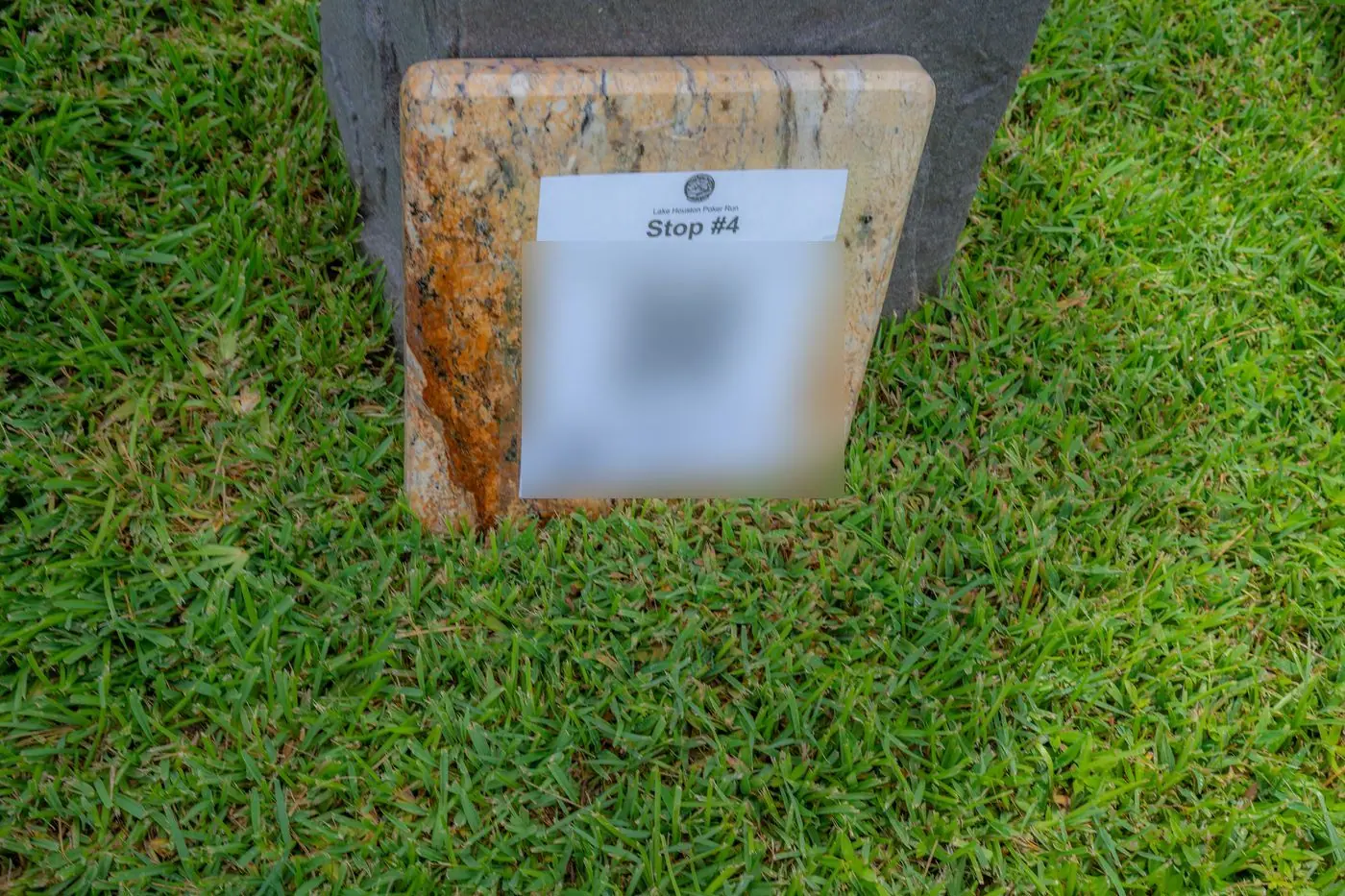
Scan tickets at check-in. At each stop, a volunteer records the card each entrant draws, on their own phone, even with no signal. Records sync the moment a connection comes back, and anything that doesn’t add up gets flagged.
04 · The finish
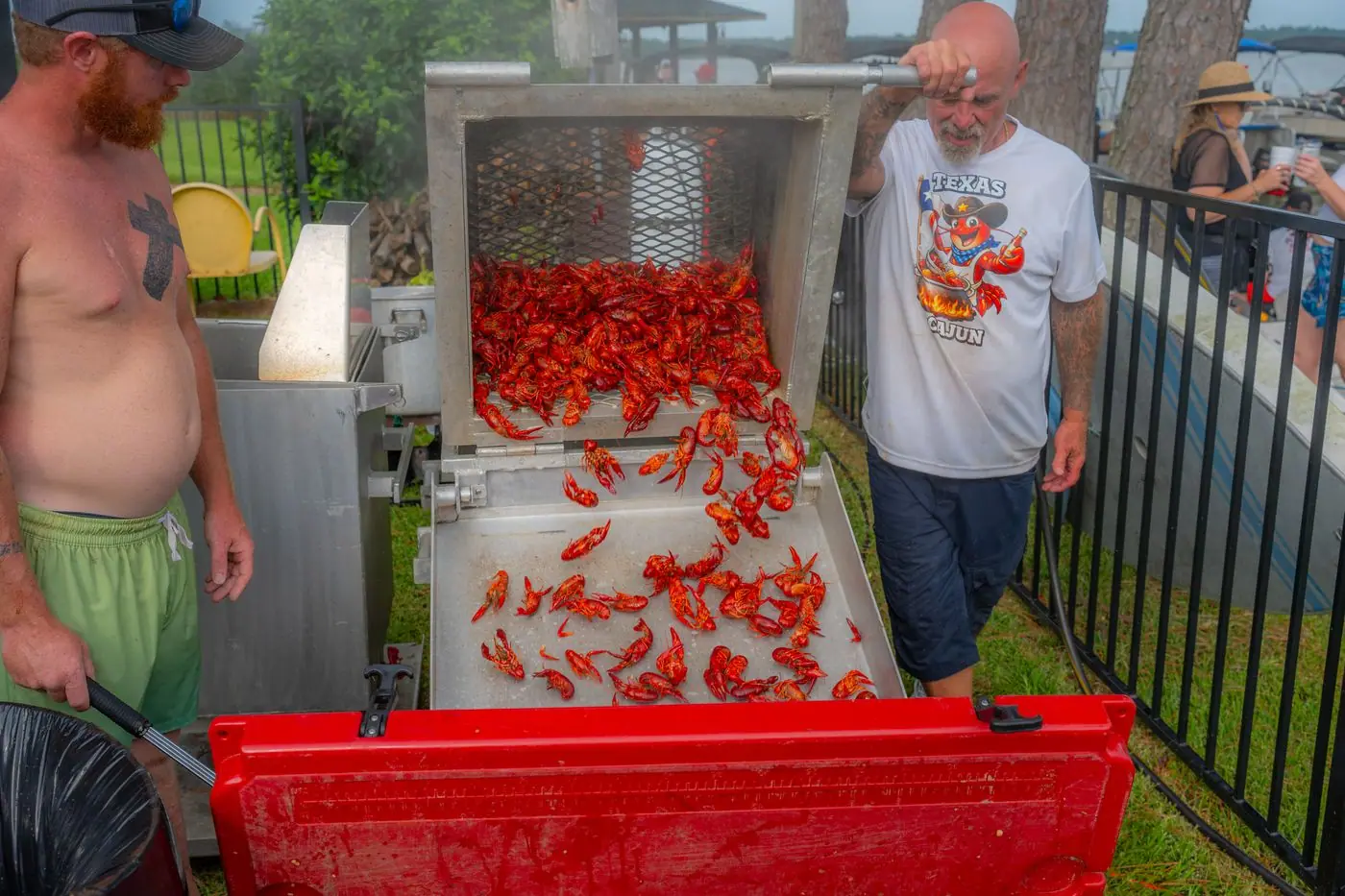
Results before the crawfish are gone.
Hands are ranked automatically by standard poker rules and your tie-breaks. Put the live leaderboard on a screen, lock the final standings, publish the results and send the recap to entrants and sponsors.
Hand rankings
How hands are ranked.
Standard five-card poker rankings, highest first. Your event can add its own tie-break rules.
- Royal flush — A, K, Q, J, 10, all one suit
- Straight flush — five in a row, one suit
- Four of a kind
- Full house — three of a kind plus a pair
- Flush — five of one suit
- Straight — five in a row, mixed suits
- Three of a kind
- Two pair
- One pair
- High card
See it on your own run.
Early access is opening to a small group of organizers first.